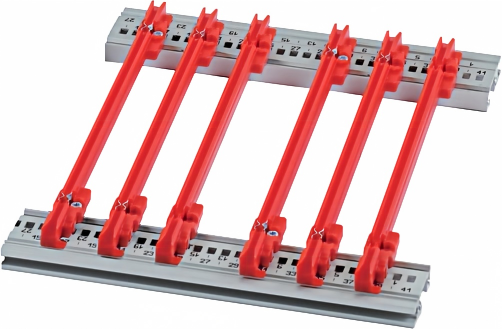
19-Inch Subrack Components for Smart Grid and Power Automation Applications
Introduction
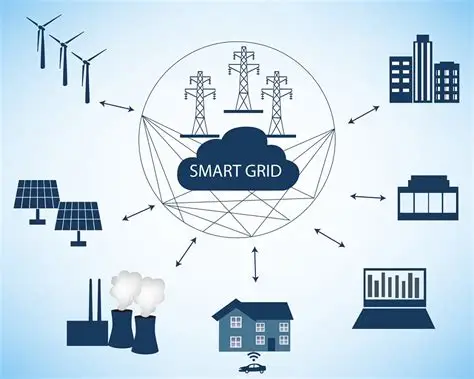
The rapid development of renewable energy, distributed generation, battery energy storage, electric vehicles, and data-intensive infrastructure is changing the way electrical distribution networks are designed and operated.
Modern power networks need to manage increasingly variable loads and bidirectional power flows while maintaining stable and compliant voltage levels. As a result, intelligent electronic equipment such as Automatic Voltage Control (AVC) relays, transformer monitoring systems, SCADA interfaces, protection devices, and power automation controllers are becoming increasingly important.
At the equipment level, however, advanced electrical control functions still depend on reliable mechanical structures.
A voltage-control relay, protection device, or intelligent substation controller typically contains PCBs, communication modules, power supplies, connectors, displays, and control interfaces. These components need to be securely mounted, protected against electromagnetic interference, efficiently cooled, and easily maintained.
This is where 19-inch subrack systems and precision mechanical components play an important role.
Automatic Voltage Control is widely used to regulate the voltage of electrical distribution networks through transformers equipped with on-load tap changers (OLTCs).
An AVC relay continuously monitors electrical parameters such as voltage and current and determines whether the transformer tap position should be adjusted.
Modern AVC systems can also support:
- Transformer paralleling
- Load-drop compensation
- Distributed energy resource (DER) integration
- Voltage rise management
- Network balancing
- Reactive power / VAR control
- Transformer temperature monitoring
- Tapchanger runaway prevention
- SCADA communication
Why 19-Inch Mechanical Structures Are Used
Many industrial electronic control systems use standardized rack architectures because they allow different electronic modules and mechanical components to be integrated into a predictable physical platform.
A typical rack-mounted power automation system may contain:
- Control relay
- CPU/control board
- Communication board
- Power supply
- I/O modules
- Interface connectors
- Display or HMI
- Terminal blocks
- Cooling components
- EMC shielding structures
Why Subrack Components Matter
The performance of a power automation system is not determined only by its PCB and software.
Mechanical components have a direct influence on:
- PCB positioning
- connector alignment
- EMC performance
- thermal management
- vibration resistance
- maintenance efficiency
- grounding
- equipment reliability
For example, a poorly designed card guide can allow PCB movement during transportation or vibration.A poorly designed front panel can create electromagnetic leakage.An incorrectly selected extractor handle can place excessive stress on the PCB or connector.